TYPE
Defence hardware · Rotordynamics
ROLE
BE capstone, team of four · I owned the rotor end-to-end
OPERATING POINT
28,000 rpm · 466.67 Hz
Overview
- Gyro stabilized platforms keep sightlines steady on battle tanks and artillery, and the gyro motors inside them were imported. This project developed an indigenous gyro motor rotor tailored to Indian Army platform requirements, in partnership with TriQual Cryogenics.
- Eight rotor assembly iterations were modeled and screened on critical speed, damped natural frequencies, and equivalent stress. The winner was manufactured and validated on an instrumented bench, and the project poster took 2nd prize at the IEI-FCRIT National Level Project Poster Competition 2024.
Design & Build
- Design: Eight rotor assemblies in CAD: 8 to 11 mm bars in straight and inclined configurations, EN24 rotors, EN8 lock nuts, and aluminium plates and bars.
- Analysis: ANSYS modal and rotordynamic screening of every iteration: critical speed, translational and torsional damped frequencies on the Campbell diagram, and equivalent stress.
- Selection: The 9 mm straight bar assembly won: simulated critical speed of 22,207 rpm against the 28,000 rpm operating speed, with translational and torsional modes at 201.91 Hz and 330.3 Hz, both clear of the 466.67 Hz operating frequency.
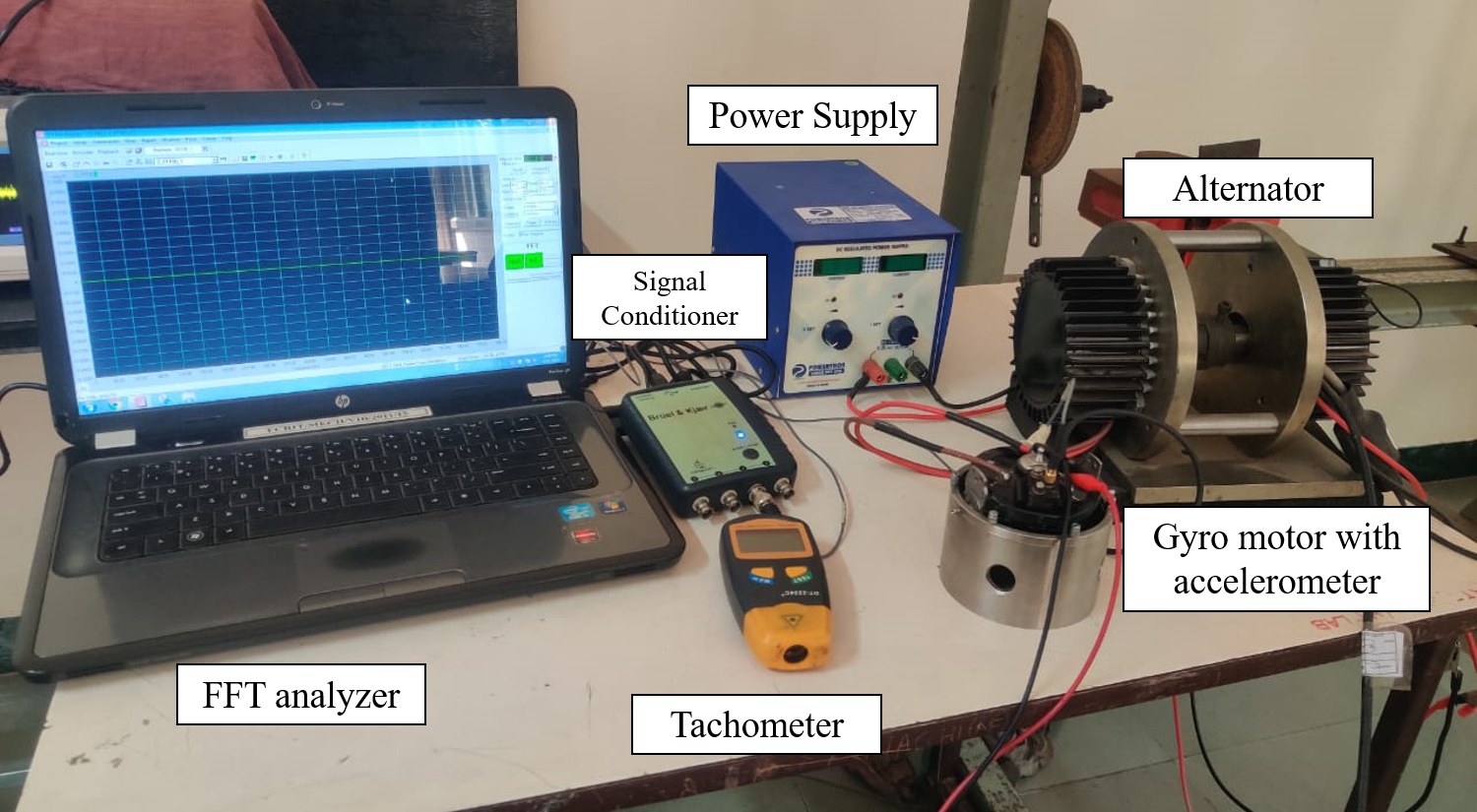
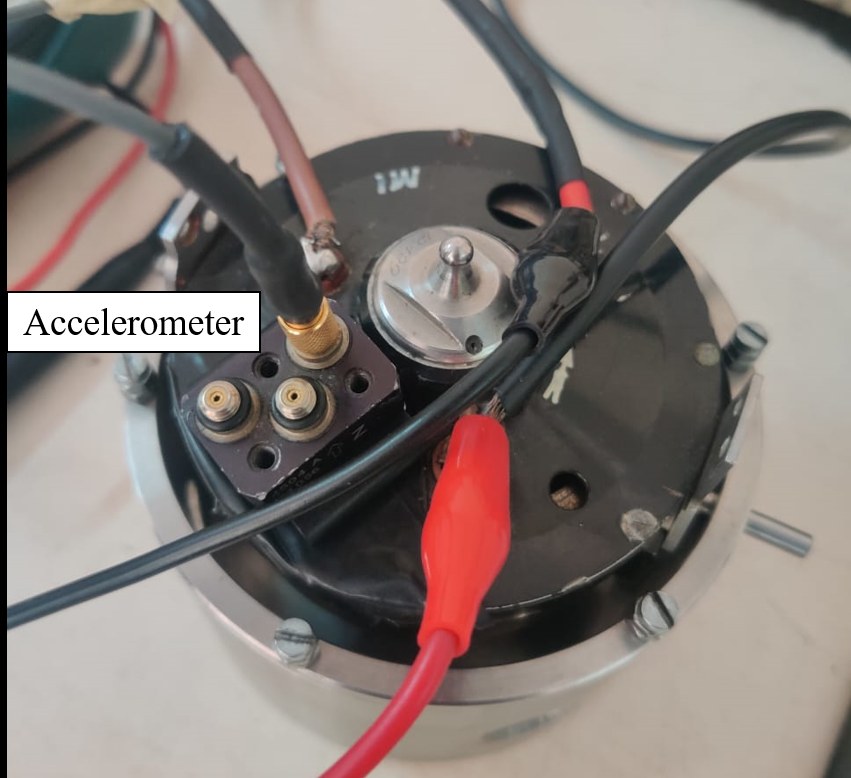
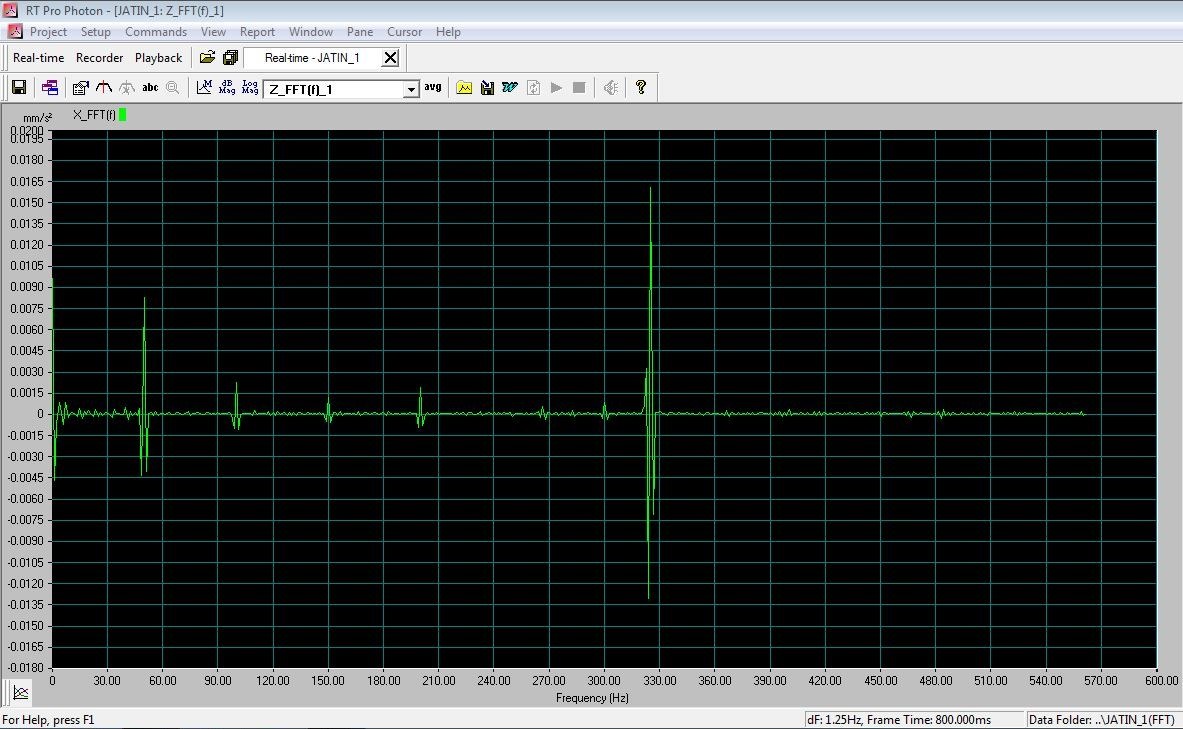
- Build and test: The selected rotor was manufactured and run on an instrumented bench: accelerometer on the motor, signal conditioner, FFT analyzer, tachometer, and alternator loading.
Challenges
- Keeping every resonance clear of a 466.67 Hz operating point across eight competing geometries.
- Correlating simulation with the bench, where the measured critical speed came in at 19,462 rpm against the 22,207 rpm prediction.
- Working inside an industry NDA: everything shown here comes from the public competition poster.
Result
- Simulated and measured critical speeds of 22,207 and 19,462 rpm, both well separated from the 28,000 rpm operating speed, with damped modes clear of the 466.67 Hz forcing frequency.
- Upgraded material selection over the previous design, a validated assembly on the bench, and 2nd prize at the IEI-FCRIT National Level Project Poster Competition 2024 (CALIBRE 2k24, Track 4, Design).
- TriQual Cryogenics issued a formal Letter of Appreciation for the project, signed by its Director, crediting the team's design and analysis of the gyromotor rotor.
Skills & Tools
CADANSYSModal AnalysisRotordynamicsCampbell DiagramsFFT TestingMaterials Selection